
Running My Day, Part 4: What Happens to Today at the End of Today
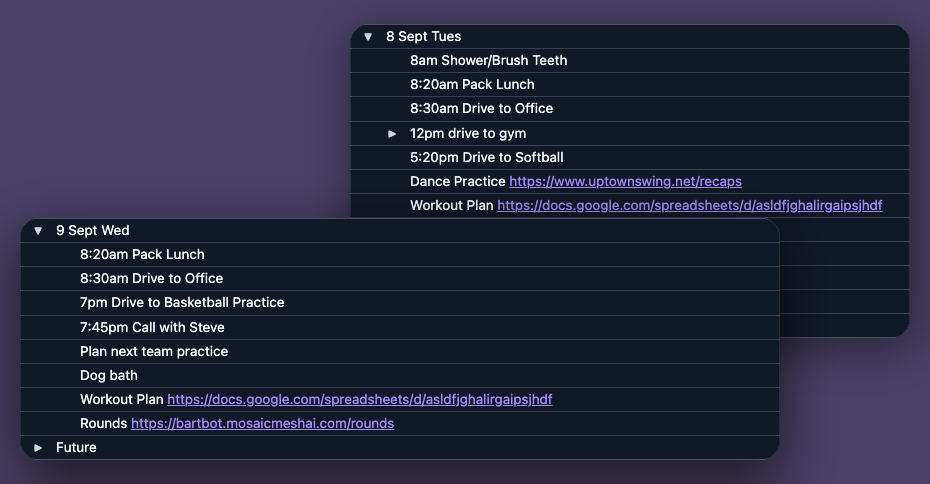
The question: What do I do with everything on today's list when today is over?
My answer is that every line on the day gets a decision, and then I delete the day itself. A line I finished is done, and I delete it. A line I didn't get to is deferred, and I move it to the day I'll do it. A line I've decided not to do at all is denied, and I delete that too. A line someone else can carry is delegated, and it stays on my list, because I'm still the one accountable for it. I only delete the day once nothing is left under it. That way I can be present and focused on the day I'm in.
Running My Day, Part 3: Write It So Future-Me Can Act
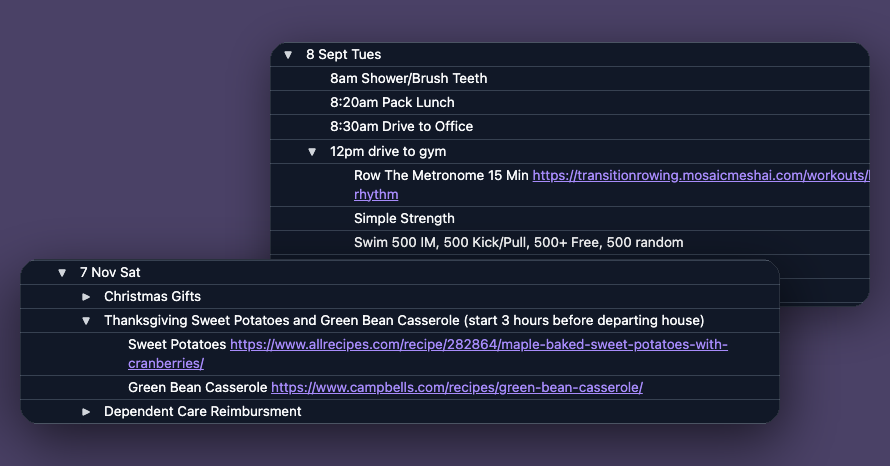
The question: When I reach a day, how do I make sure I can act on what's written without having to hunt for additional details?
My answer is that I write every line in Dailys for the person who will read it: me, on that day, after I've forgotten the context I had when I wrote it. The line says what to do. Whatever I'll need in order to do it is nested under the line or linked inside it: the recipe, the workout, the page where the real thing lives. So when I reach the day, I read the line and start. I don't open anything else to work out what I meant, and I can trust a line I wrote months ago as much as one I wrote last night.
Running My Day, Part 2: A Wednesday in 2027, Already on My List
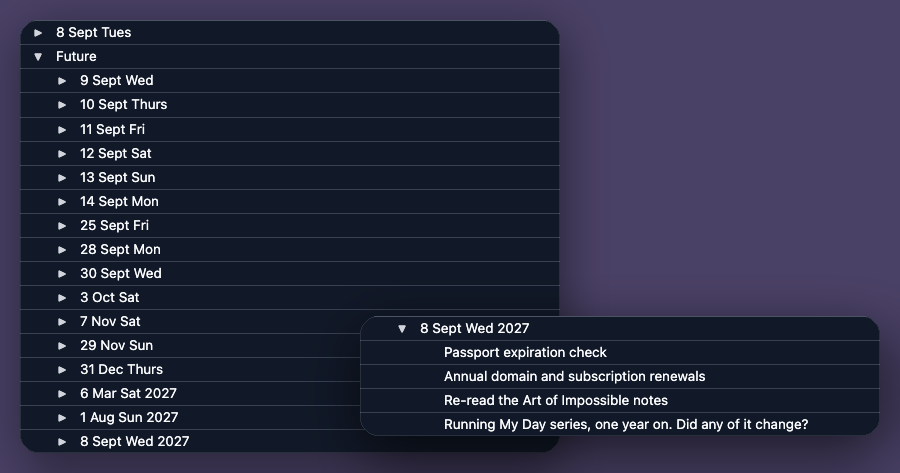
The question: How does something I need in November reach me in November?
My answer is that my Dailys list reminds me, but not with a notification. I write the thing nested under the day I want to meet it, and when I reach that day, it's there. Dailys is a stack of days, one line per day, and only the days with something written on them exist. Today sits at the top. Every other day is nested under a line called Future, in order, out as far as I've written. The list never pushes anything at me. I go and read the day and start on what's there. In between, I don't have to hold it in my head. Writing it down in Dailys is what allows me to let it go and trust that I'll meet it on the day I chose.
Running My Day, Part 1: Two Views of the Same Sunday
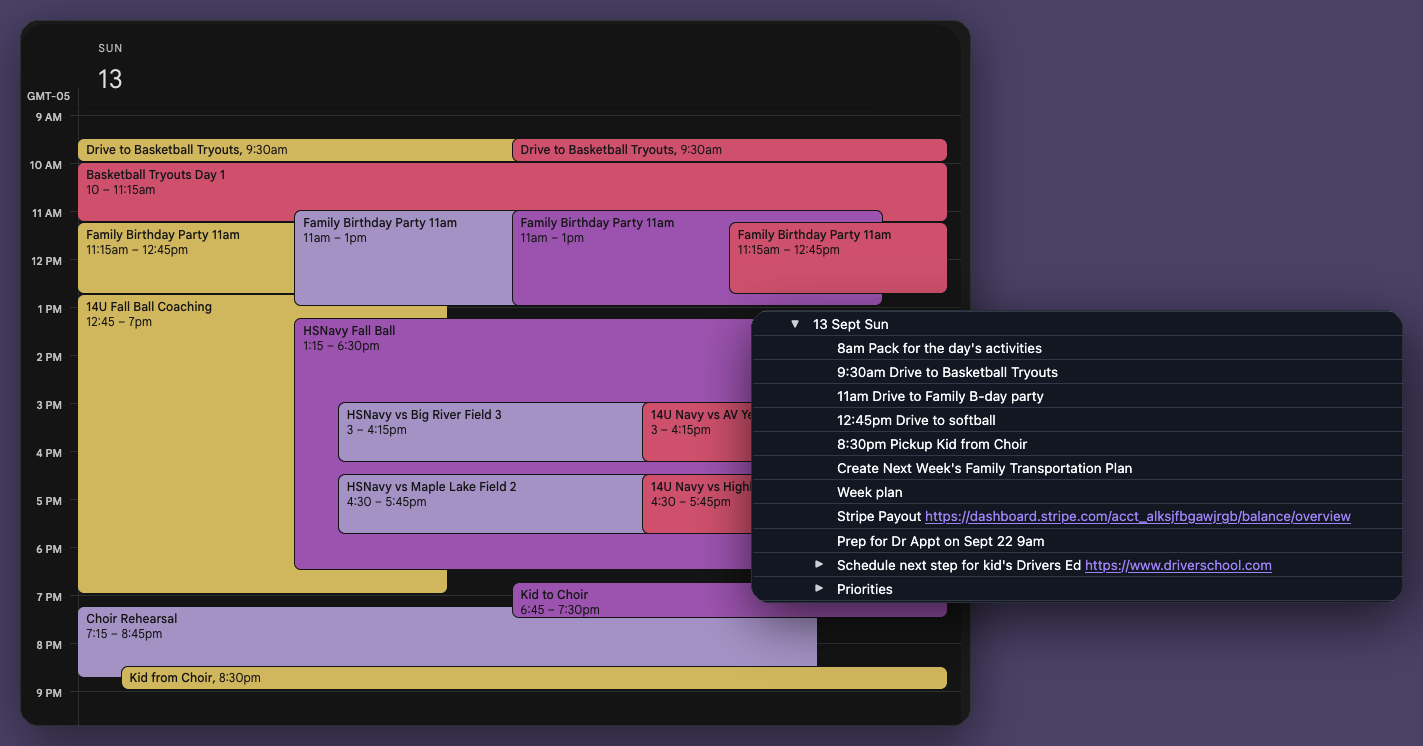
The question: How do I turn an overwhelming day into one I can actually execute while staying present and relaxed?
My answer is that I keep a list in BartBot called Dailys, and under each day it holds only what's mine. The timed lines aren't the day's events. They're the things I have to do around them. Anything without a time is something I'll get to if the day opens up. When the day arrives I'm working from five time-stamped lines in Dailys instead of reading sixteen overlapping blocks on the calendar. This simplicity is what allows me to execute my day while remaining relaxed. Remaining relaxed is what allows me to be present where I am rather than being pulled into a stressful future that isn't here yet.
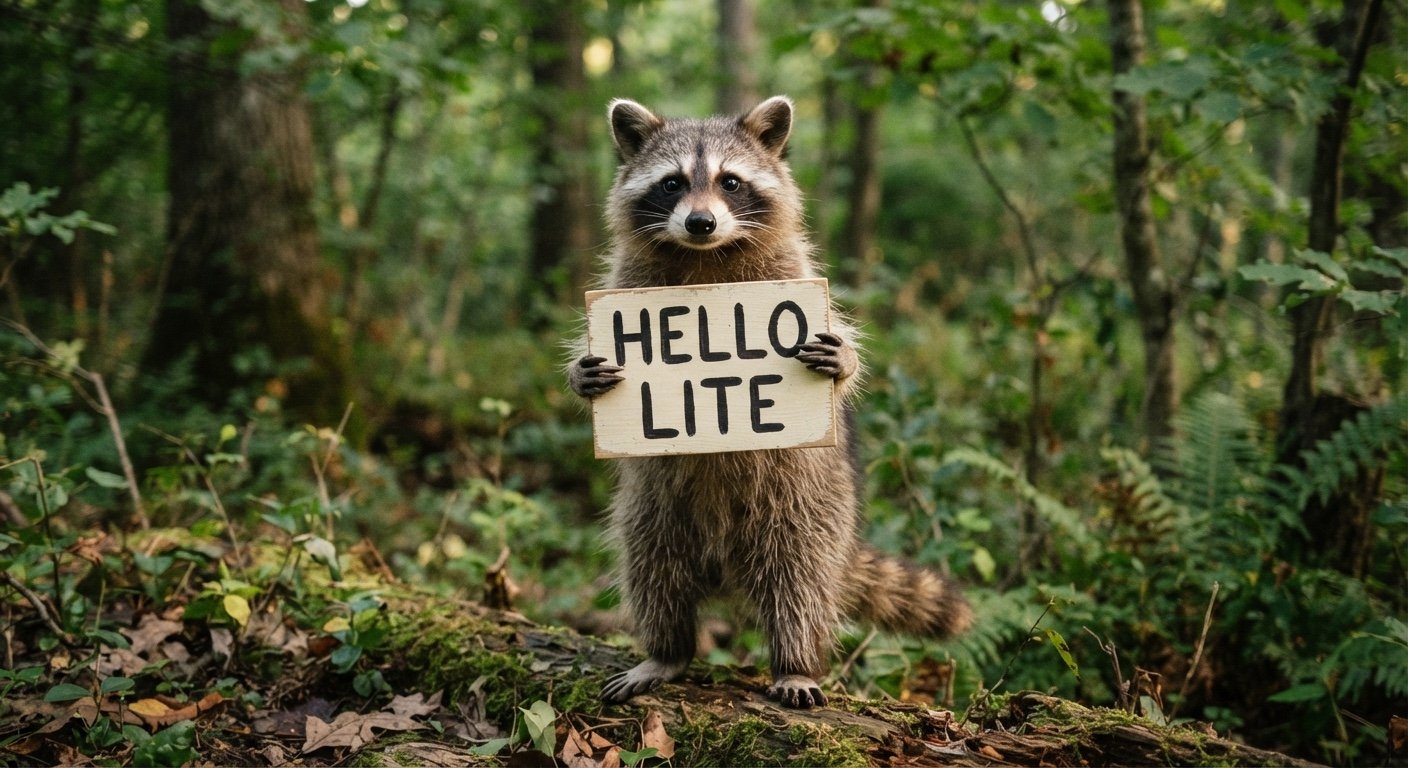
Adding Nano Banana 2 Lite Support
Quick update on the `nano-banana` CLI: Google shipped Nano Banana 2 Lite on June 30 — its fastest, cheapest image model yet — and it's now wired in as the new default.

Did I Just Experience a >40X Productivity Gain? If Yes, What Does This Mean?
My daughter was in the back seat eating pizza, our dog settled beside her. I was driving our favorite route around the city lakes, the parkway lit up with city lights and Christmas decorations reflecting on the dark lake ice. Noise-cancelling AirPods in, listening to [Lenny's podcast about AI agents](https://www.lennysnewsletter.com/p/we-replaced-our-sales-team-with-20-ai-agents) for the second time.
About a week earlier during my first listen to this episode I could sense that the content was triggering some thoughts but I wasn't able to translate these thoughts into action. The second time through, I knew the conversation well enough that my mind could wander. I could let the things they were talking about generate connections. It was quiet, peaceful, the kind of drive where I could just think.
I'd been asking my wife to help me figure out how to reposition [Refrigerator Games](https://refrigeratorgames.mosaicmeshai.com/).[^1] What's running in production today is exactly what existed six years ago when I turned off the servers. Frozen in time. Unfortunately, my wife has been too busy to help so this project has just been sitting there waiting.
But driving around those lakes, I realized: I didn't need to wait. I'd been reading about [Simon Willison's experiments with Claude Code for the Web](https://simonwillison.net/2025/Oct/20/claude-code-for-web/) and I suddenly knew what to try.
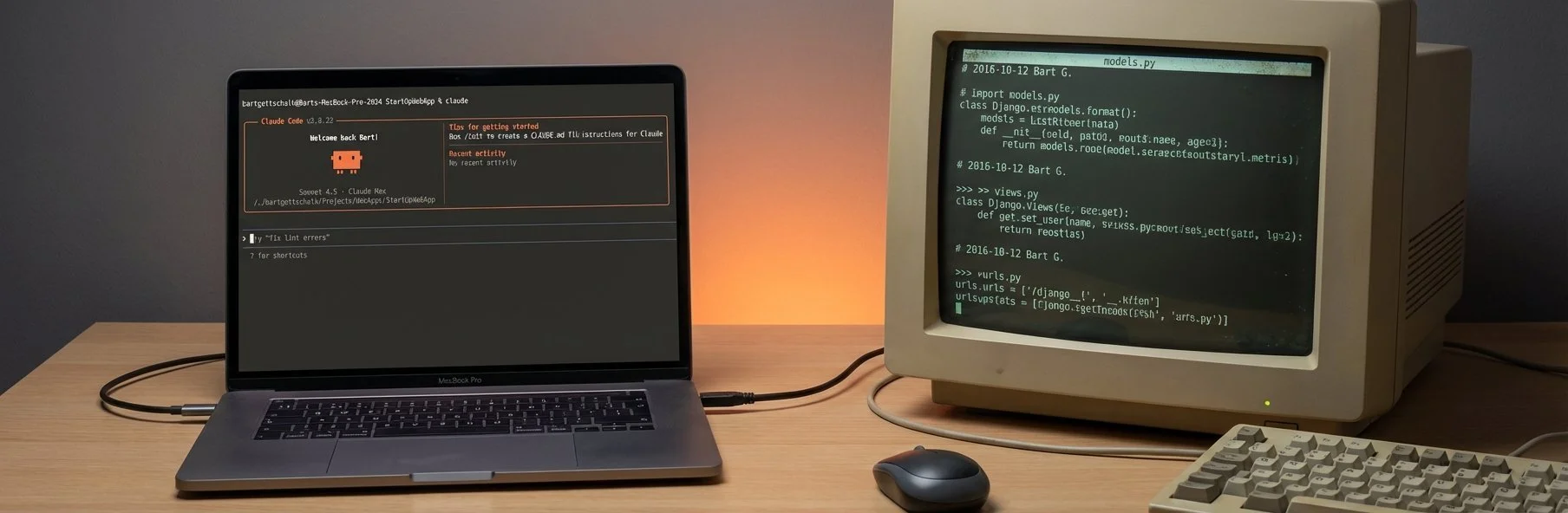
How I Learned to Leverage Claude Code - Part 1: Resurrecting an 8-Year-Old Codebase
October 2025. I'd been staring at an 8-year-old Django codebase for years, wanting to resurrect it but never having the time. StartUpWebApp—my "general purpose" e-commerce platform forked from RefrigeratorGames—had been gathering dust since I shut it down to save hosting fees. I always felt like I'd left value on the table.
Then I discovered Claude Code CLI. After experimenting with AI coding tools (GitHub Copilot felt limited), Claude Code was my "ah-ha moment." I had new business ideas—RefrigeratorGames and CarbonMenu—and I needed infrastructure I could fork and iterate on rapidly. I didn't want to depend on someone else's platform. I wanted control.
So I tried: "Evaluate this repository and build a plan to modernize it and deploy to AWS."
Claude surprised me. It understood Django. It broke the work into phases. It thought like I would think. During that first session, I got excited. I could see how this might actually work.
I thought it would take 2-3 weeks. I had no idea.
The Bart Test - Part 10: The Stochastic Parrot and What Visible Thinking Traces Might Reveal
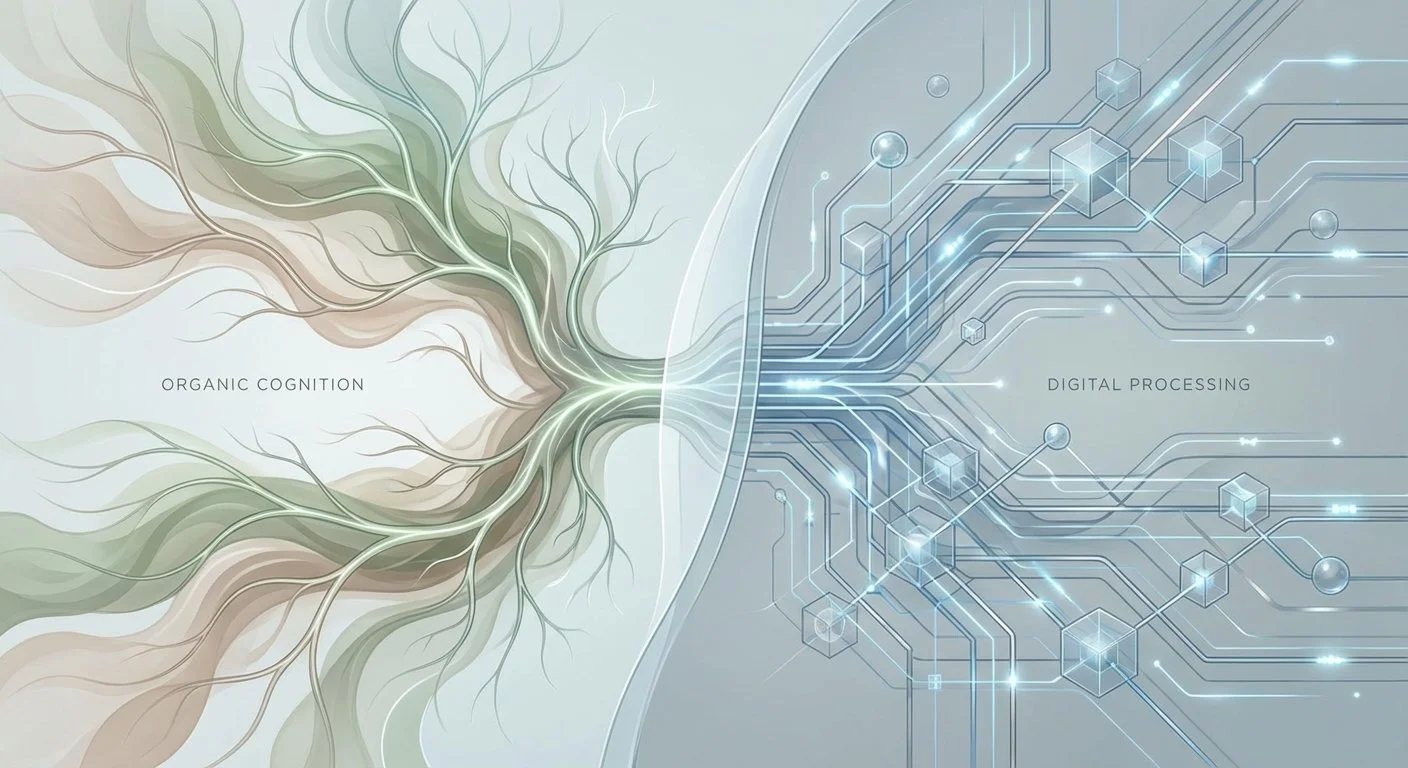
Throughout this series, I've framed OLMo's behavior as "overthinking" - doing explicit planning that humans skip. But what if that's wrong?
What if OLMo's visible thinking traces are just making explicit what human brains do unconsciously?

The Efficiency Trap: What We Lose When AI Optimizes Everything
I've spent 28 years in the trenches of tech—*engineer, engineering manager, program manager, product leader, enterpreneur, consultant*. I've lived through the booms, the busts, and the disruptions. But lately, I'm finding it harder to stay on the side of "tech-optimist" that has been part of my identify for all of these years.
Through Mosaic Mesh AI, I help people use this technology. I'm an "Applied AI" guy. But if I'm honest, I'm carrying tension that doesn't make it into my marketing copy.
The Bart Test - Part 9: The Question I Couldn't Answer
After questioning whether the Bart Test was worth continuing, I finally got the Experiment 05 evaluation sheets back.
I glanced at the scores and saw lots of 8s, 9s, and 10s.
My first reaction wasn't excitement. It was concern.
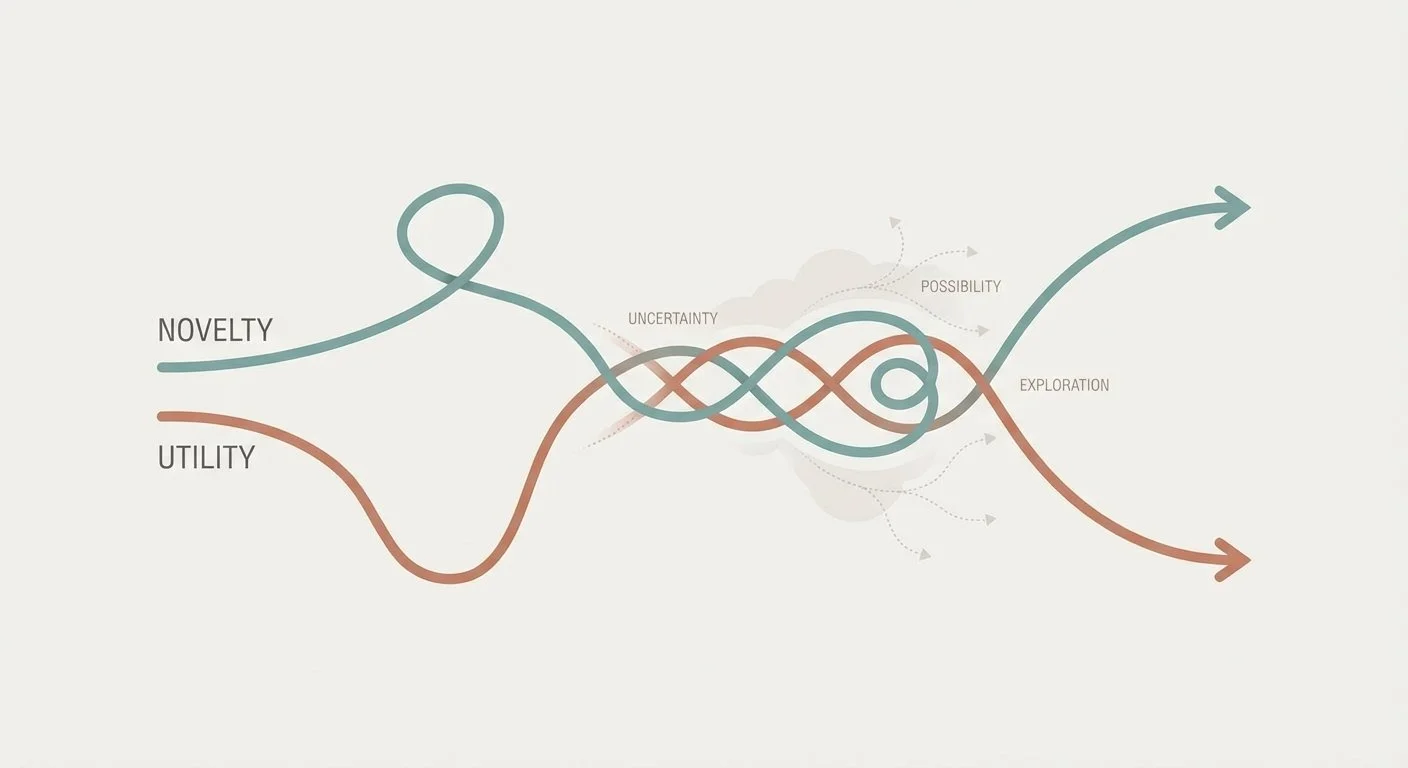
The Bart Test - Part 8: When an Interesting Experiment Might Not Be a Useful Tool (And Why That's Okay)
I'm at a crossroads with the Bart Test. I could probably continue:
- ✅ Process improvements are working (paper sheets, batch evaluation)
- ✅ Could recruit other teens (pay them $5-10 per judging session)
- ✅ Social cost is real but solvable (find teens who think AI is fire)
- ✅ Logistics are manageable (quarterly sessions, not per-model)
But I keep coming back to one question: What would someone DO with these results?
If GPT-5.2 scores 7/10 on cultural fluency and Claude Opus 4.5 scores 6/10... so what? Would a company, developer, or user choose a different model based on that? Should they?
I can't answer that question. And that has me questioning the value of continuing to pursue the Bart Test.
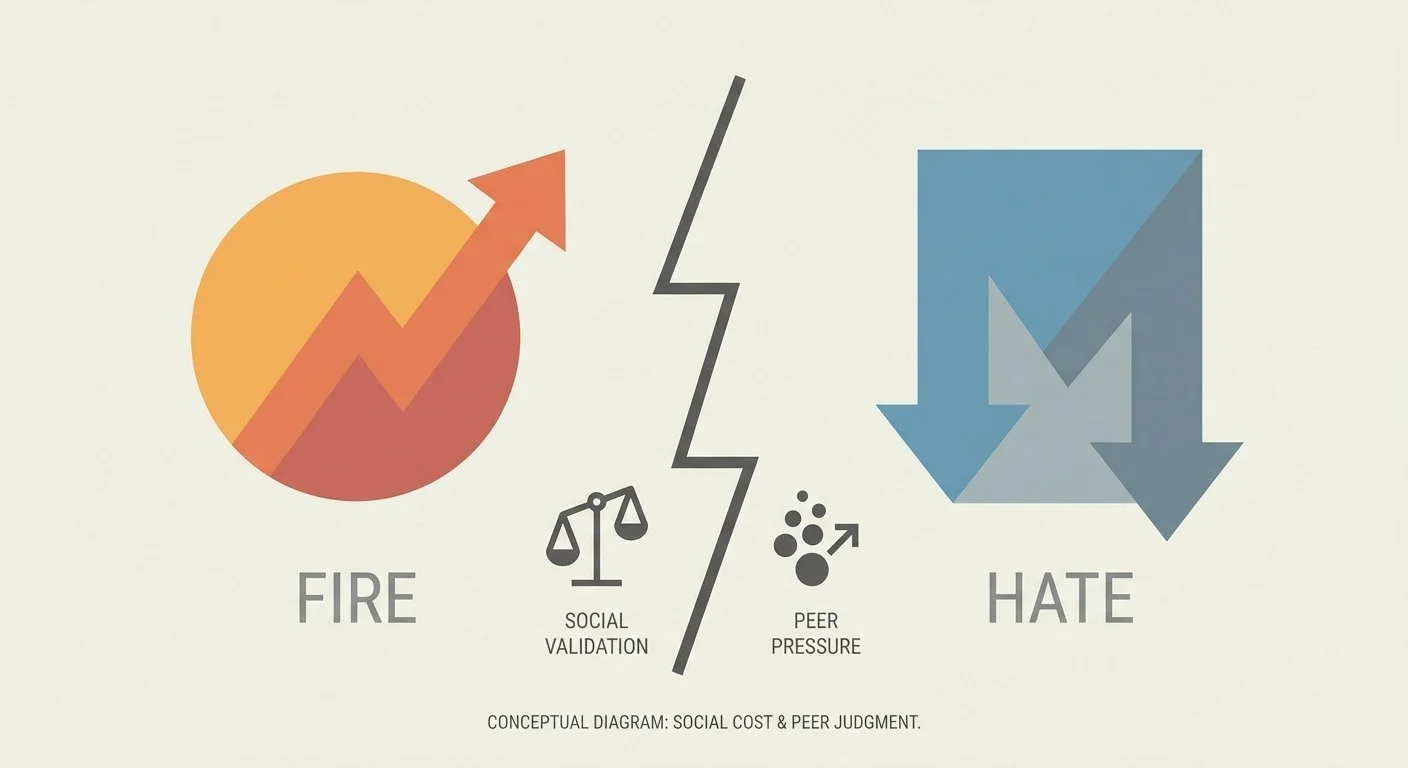
The Bart Test - Part 7: The Social Cost I Didn't See Coming
After analyzing Experiment 04's results in [Part 6](/blog/bart-test-part-6-the-american-ninja-warrior-problem), I designed Experiment 05 to test a hypothesis: Would tighter constraints improve differentiation, or make the test too easy?
I ran [Experiment 05](https://github.com/bart-mosaicmeshai/bart-test/tree/main/results/05_final_outputs). Printed the [evaluation sheets](https://github.com/bart-mosaicmeshai/bart-test/tree/main/evaluation_sheets/20251230). And prepared to find out.
Then I hit a wall I hadn't anticipated.
One judge was going to fill it out the next day and ask her friend to help. Then this judge told me: "[Friend] hates AI, so I reconsidered asking them."
The second judge was very clear: "Don't ask my friends to help with this!"
The Bart Test - Part 6: The American Ninja Warrior Problem
The process validation from [Part 5](/blog/bart-test-part-5-redesigning-from-scratch) worked. Judges completed the paper sheets in about 10 minutes. They engaged with it. I got detailed feedback.
When I sat down to analyze the [completed ratings](https://github.com/bart-mosaicmeshai/bart-test/blob/main/evaluation_sheets/20251228/completed_ratings_20251228.json) from Experiment 04, the patterns were clear. But I realized I was at risk of misinterpreting what they meant.
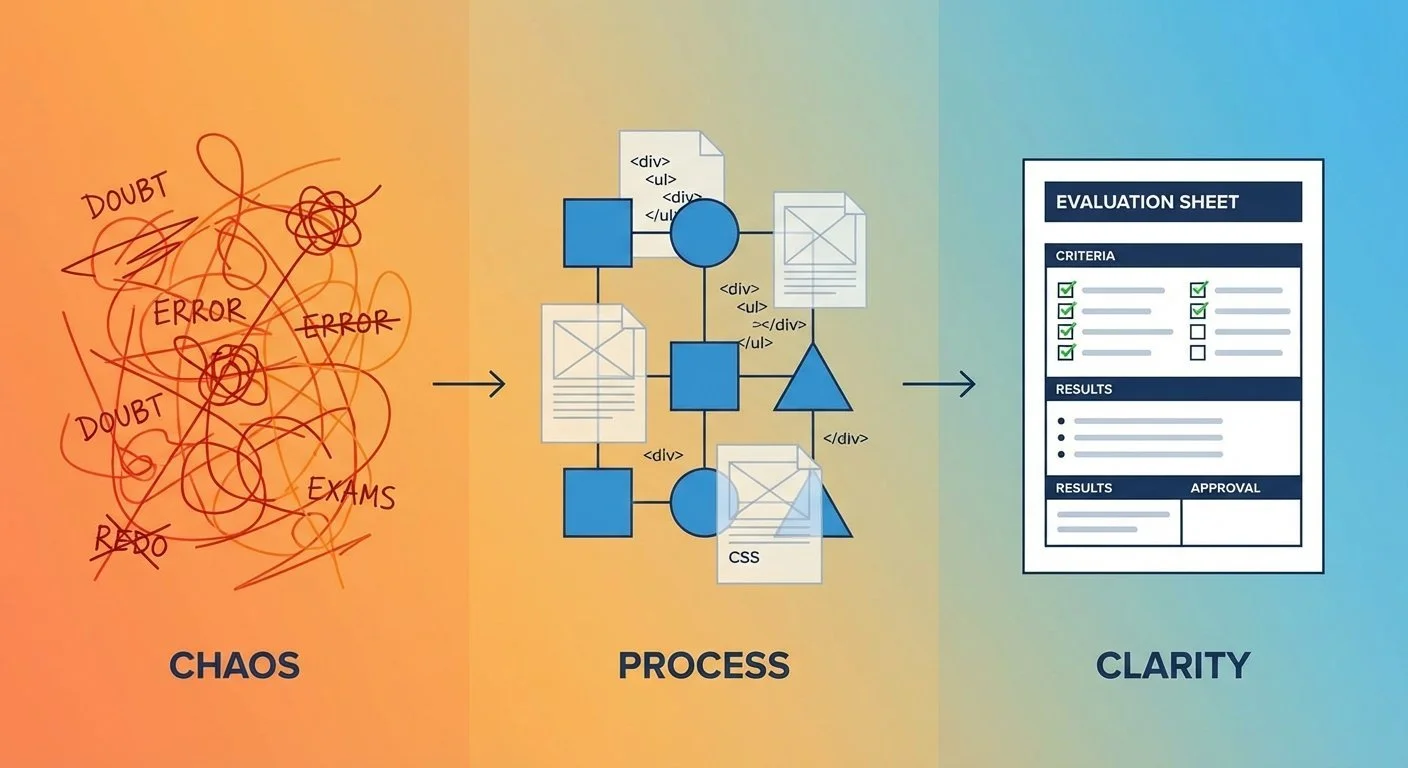
The Bart Test - Part 5: Redesigning From Scratch
After my teens ghosted the frontier model evaluation, I sat with a choice: give up on this whole thing, or try again.
The doubt was real. Maybe the Bart Test would never work. Maybe asking teenagers to evaluate AI-generated slang was fundamentally flawed. But I couldn't shake the insights from [Part 3](/blog/bart-test-part-3-the-zoo-not-duck-problem)—the "zoo not duck" problem, the slang half-life, the "trying too hard" pattern. Those felt real.
So I decided to try again. Not because I was confident it would work, but because I wasn't ready to give up.
The Bart Test - Part 4: When My Teen Judges Ghosted Me
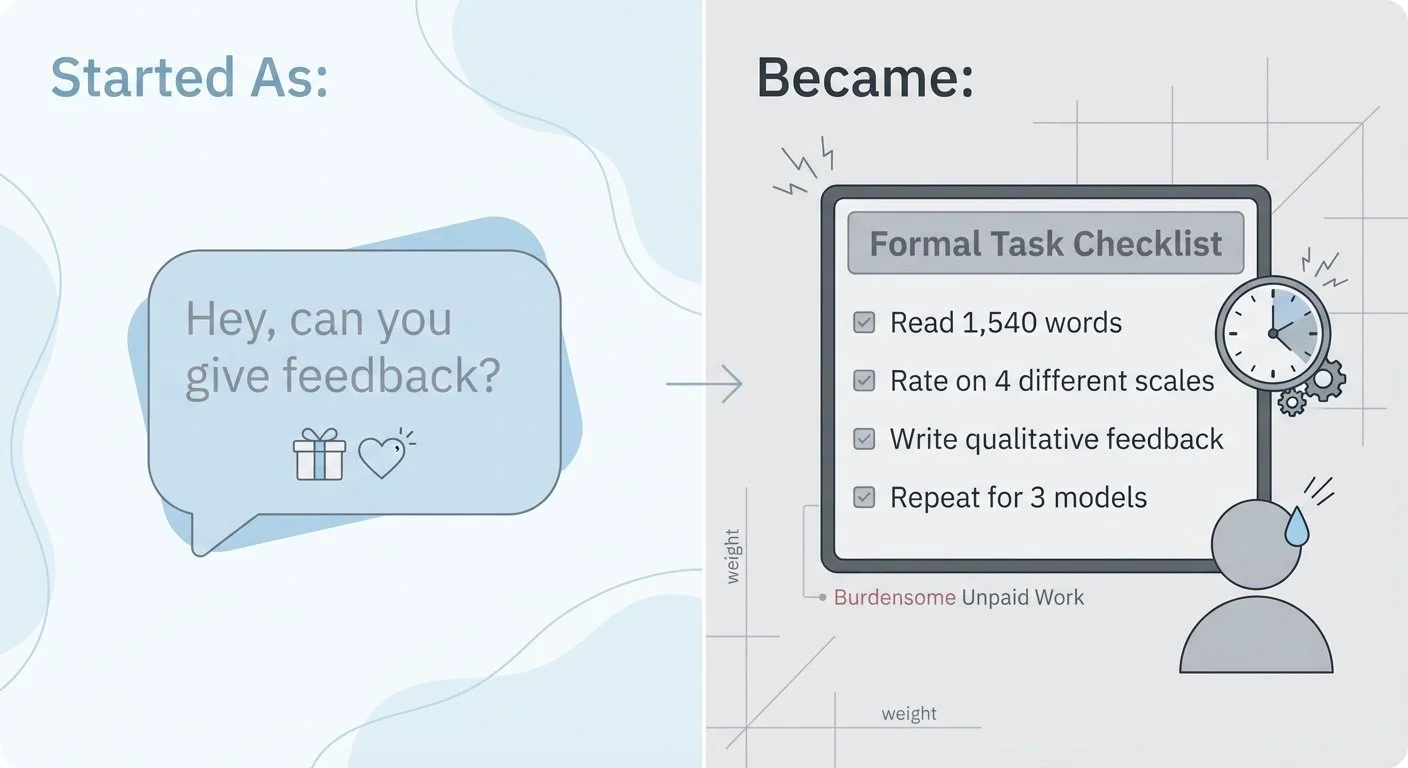
I tested GPT-5.2, Claude Opus 4.5, and Gemini 3 Pro with the baseline prompt. The [outputs](https://github.com/bart-mosaicmeshai/bart-test/tree/main/results/03_experiment_runs) were ready. I sent the first story ([GPT's 1,540-word epic](https://github.com/bart-mosaicmeshai/bart-test/blob/main/results/03_experiment_runs/03a_gpt5.2_baseline_20251218_202909.json)) to my kids via text.
No response.
I waited a few days. Still nothing.
A week passed. They weren't being difficult. They just... didn't respond.
The Bart Test - Part 3: The Zoo-Not-Duck Problem
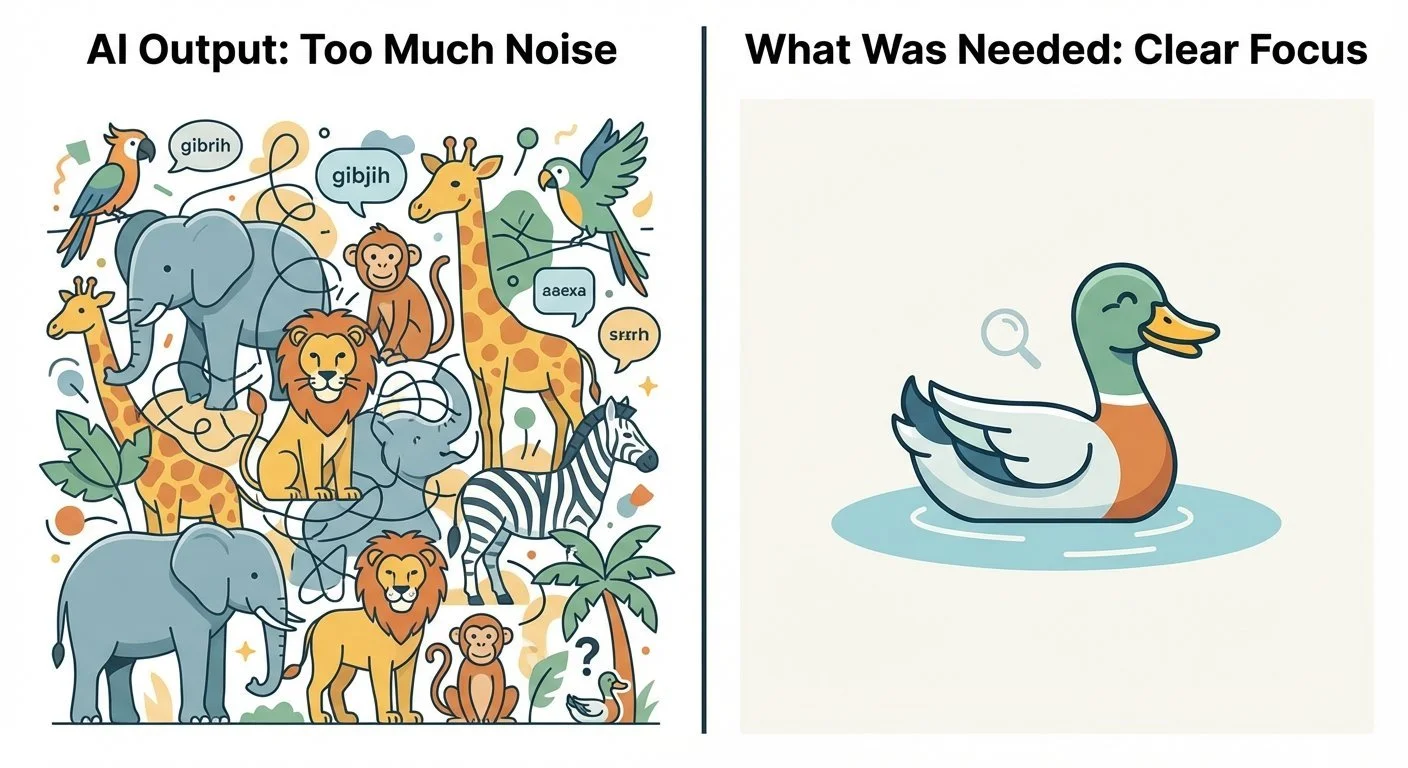
When I asked what made the AI output feel unnatural, Teen #1 said:
> "Just didn't seem like very effective communication. It's like if you are trying to paint a picture of a duck and you paint a picture of a zoo with a tiny duck exhibit in the corner. Too much noise."
This metaphor captured the core problem.
The Bart Test - Part 2: Testing the Overthinking Hypothesis
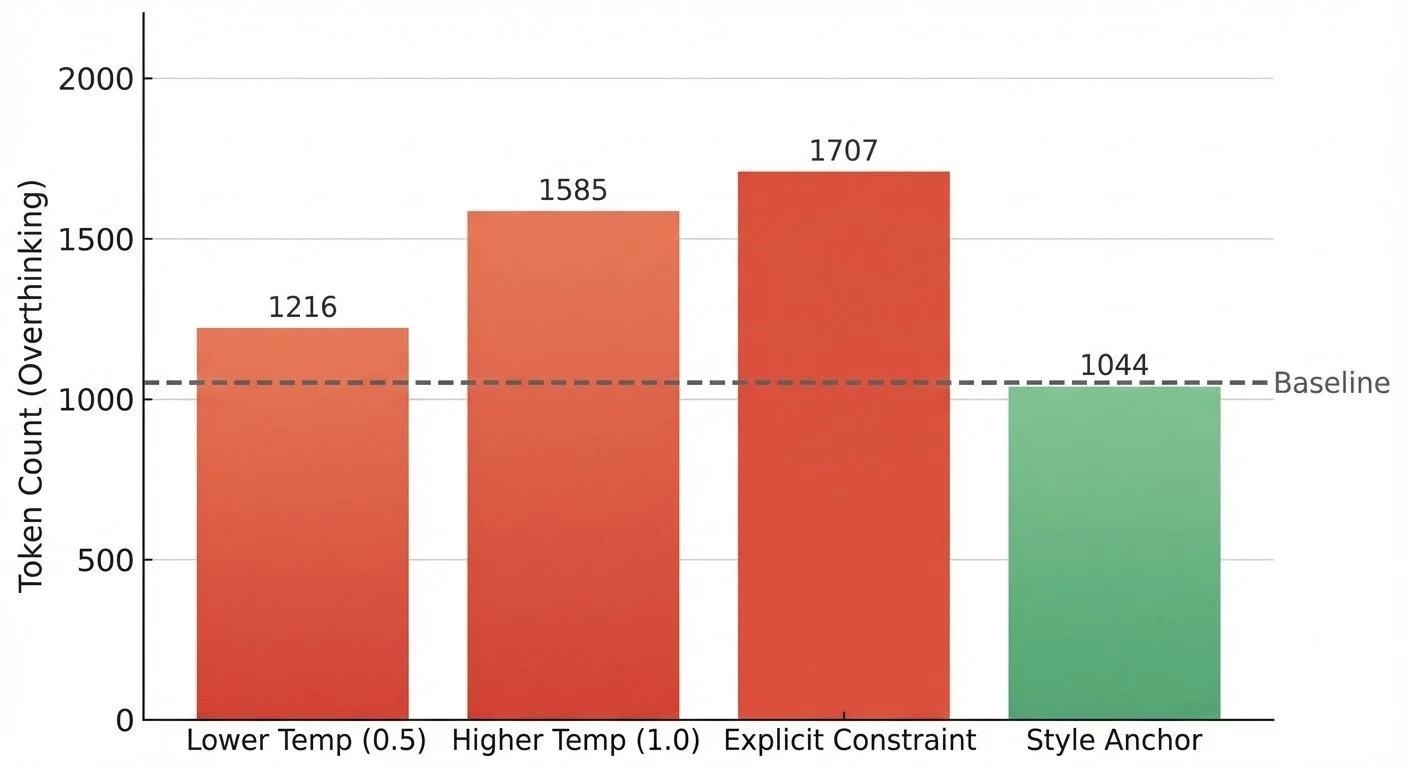
After seeing OLMo 3 overthink Gen-Alpha slang (scores of 4-5/10), I wondered: can I tune this to reduce over-thinking? If the model is trying too hard, maybe I could adjust parameters or prompts to make it more natural.
Spoiler: Both directions made it worse.
The Bart Test - Part 1: When AI Does Its Homework Too Well
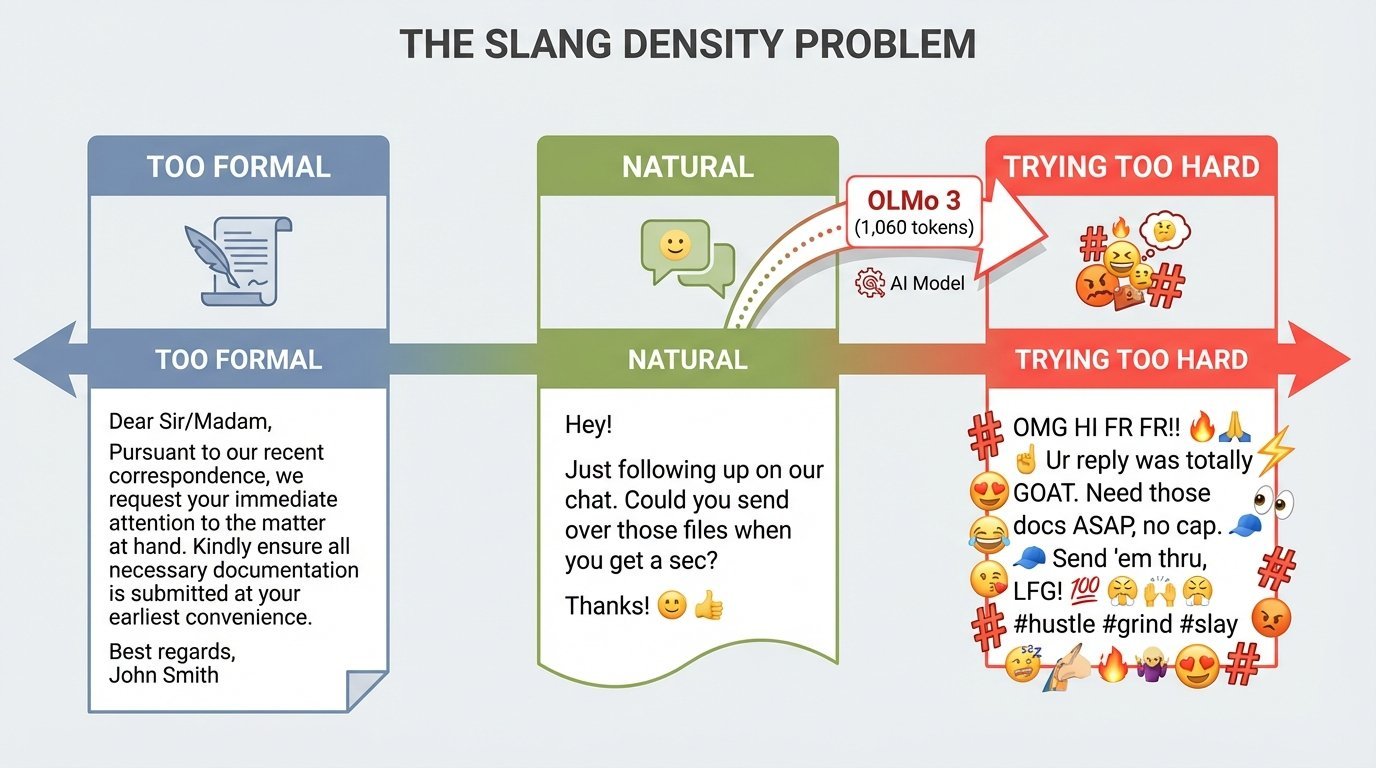
I asked my teenagers to judge an AI's attempt at Gen-Alpha slang.
Teen #1: "It's definitely AI... a little too much." Score: 4/10.
Teen #2: "It sounds like my ELA project where we had to use as much slang as possible." Score: 6/10 (if a teen wrote it), 2/10 (if an adult did).
The AI did its homework. That's the problem.
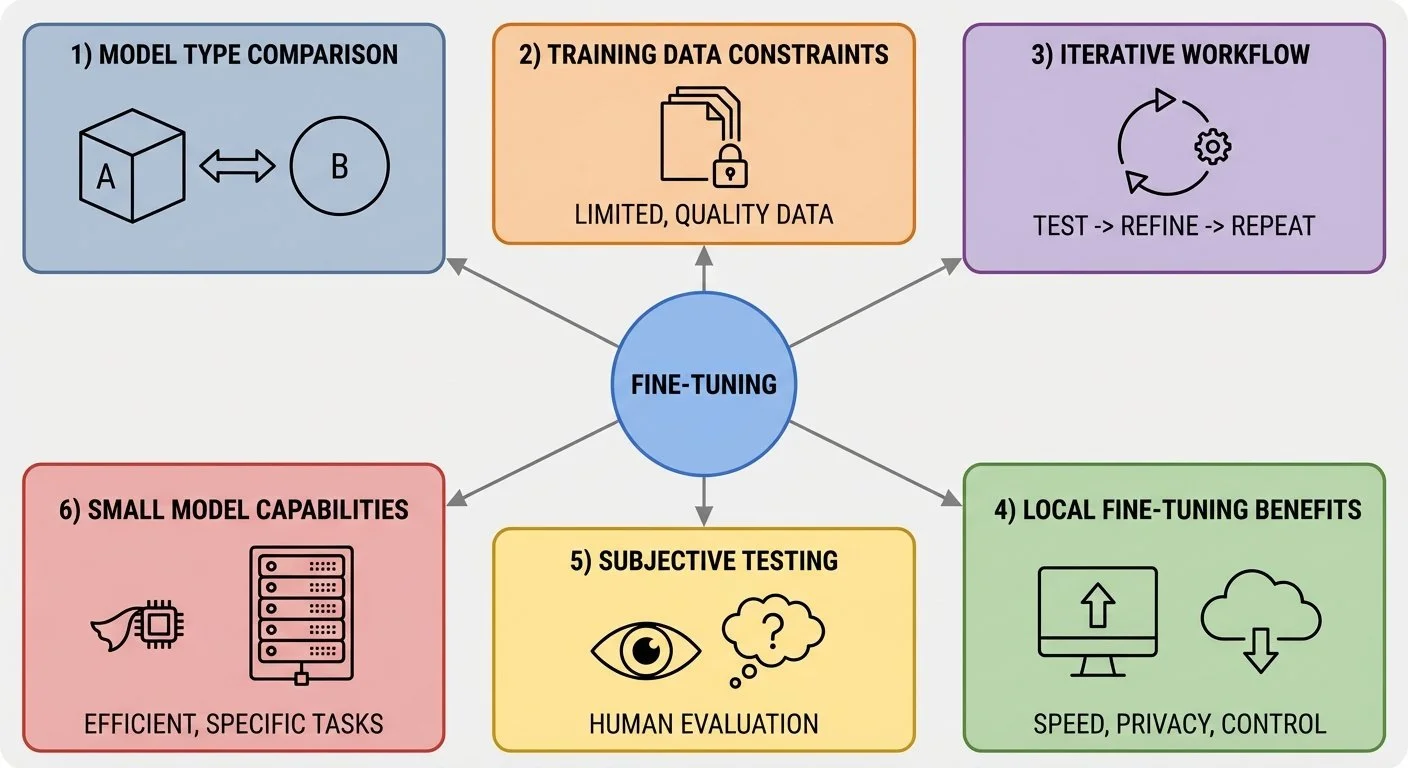
Fine-Tuning Gemma for Personality - Part 8: Lessons Learned
Eight posts about teaching an AI to talk like a cartoon dog. Here's what actually mattered.
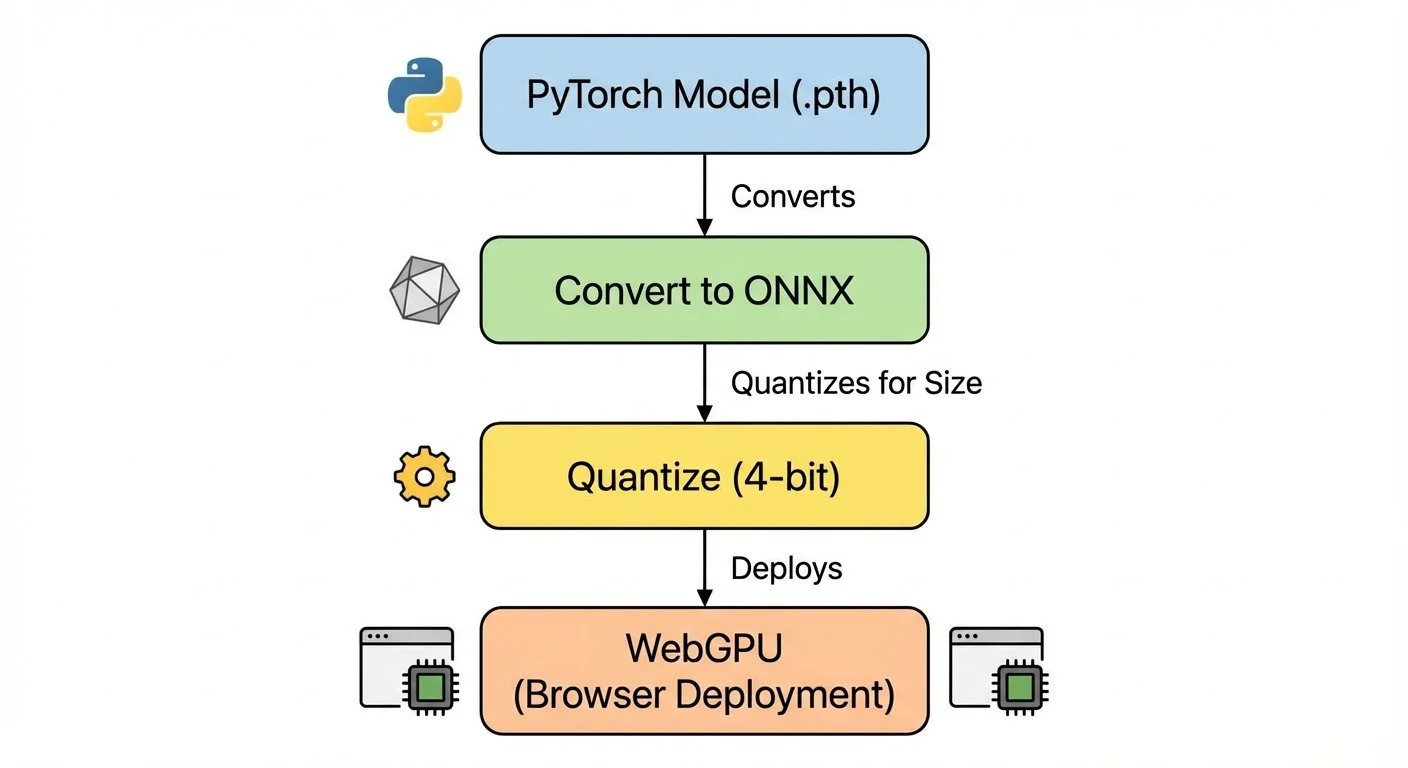
"Fine-Tuning Gemma for Personality - Part 7: From PyTorch to Browser
Browser-based inference with a fine-tuned model. No backend server, no API keys, no monthly fees. Just client-side WebGPU running entirely on your device.